


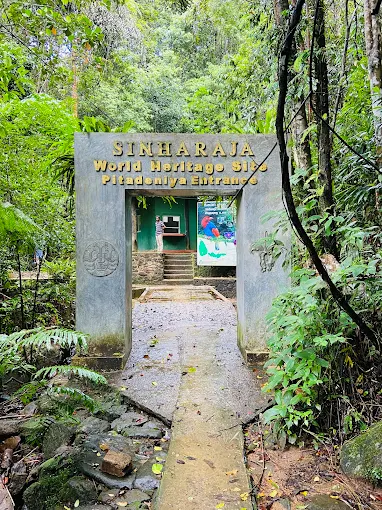

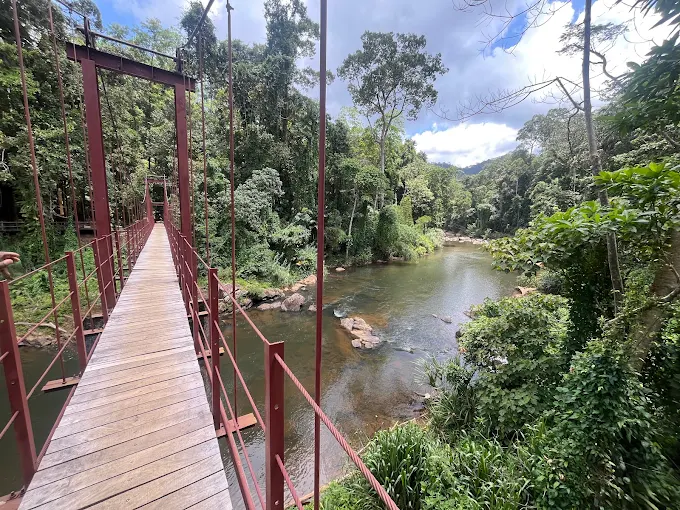
Sinharaja Rain Forest is one of Sri Lanka’s most treasured natural landmarks and one of the last remaining primary tropical rainforests in the world. Covering approximately 11,000 hectares, this extraordinary rainforest is internationally recognized for its rich biodiversity, unique ecosystems, and important conservation value. Today, Sinharaja stands as a UNESCO World Heritage Site and one of Asia’s most significant biodiversity hotspots.
For centuries, Sinharaja has played an important role in Sri Lanka’s natural and cultural heritage. The rainforest protects thousands of plant and animal species, many of which are found nowhere else on Earth.
Request Sinharaja Tour Prices – Instant Confirmation via WhatsApp
⭐ Rated 4.9 by 1200+ travelers | ✔ Instant WhatsApp booking | ✔ Free cancellation*
Sinharaja Rain Forest History
Origin of the Name Sinharaja
The name “Sinharaja” translates to “Lion King” in Sinhala.
According to local legends, the rainforest is connected to ancient Sri Lankan folklore involving a lion king and a princess. While these stories remain part of local tradition, the exact origin of the name is not fully documented.
Today, the name Sinharaja has become synonymous with Sri Lanka’s most important rainforest ecosystem.
Ancient History of Sinharaja
For thousands of years, the Sinharaja region remained largely untouched due to its dense vegetation and challenging terrain.
Early Forest Communities
Local communities living around the rainforest depended on forest resources for:
- Medicinal plants
- Fruits
- Honey
- Timber
- Traditional livelihoods
Despite human activity around the forest boundaries, much of the rainforest remained intact due to its difficult accessibility.
Natural Protection
The rugged landscape helped preserve Sinharaja while many other forests in Sri Lanka were cleared for agriculture and settlement.
Colonial Period
During the Portuguese, Dutch, and British colonial periods, Sri Lanka’s forests were extensively exploited for valuable timber and plantation development.
Timber Resources
Sinharaja contained valuable hardwood species that attracted commercial interest.
Threats to the Rainforest
Large areas of Sri Lanka’s natural forests disappeared during colonial times as land was converted for:
- Tea Plantations
- Rubber Estates
- Cinnamon Cultivation
- Agricultural Development
Fortunately, much of Sinharaja survived because of its remote location and difficult terrain.
Conservation Efforts Begin
By the twentieth century, scientists and conservationists recognized the ecological importance of Sinharaja Rain Forest.
Scientific Importance
Researchers discovered that the rainforest contained:
- Exceptional biodiversity
- Rare endemic species
- Unique ecosystems
- Valuable genetic resources
Growing awareness led to increased efforts to protect the remaining forest.
Sinharaja Becomes a Protected Forest
Forest Reserve Status
In 1875, Sinharaja was declared a Forest Reserve under colonial administration.
This was one of the earliest formal conservation measures introduced to protect the rainforest from extensive logging and land clearing.
Growing Environmental Awareness
Throughout the twentieth century, conservation organizations and scientists continued advocating for stronger protection of the rainforest.
UNESCO World Heritage Site
One of the most important milestones in Sinharaja’s history occurred in 1988.
World Heritage Recognition
In 1988, Sinharaja Rain Forest was designated a UNESCO World Heritage Site due to its outstanding ecological value and exceptional biodiversity.
This international recognition helped strengthen conservation efforts and brought global attention to the rainforest.
Global Importance
Today Sinharaja is recognized as:
- A World Heritage Site
- A Biosphere Reserve
- A Biodiversity Hotspot
- One of the world’s most valuable tropical rainforests
Biodiversity Significance
Sinharaja Rain Forest is famous for its extraordinary biodiversity.
Endemic Wildlife
Many species found within the rainforest occur nowhere else on Earth.
Examples include:
- Sri Lanka Blue Magpie
- Red-faced Malkoha
- Green-billed Coucal
- Purple-faced Leaf Monkey
- Numerous endemic reptiles
- Rare amphibians
- Endemic butterflies
Plant Diversity
The rainforest contains hundreds of unique plant species including medicinal plants, giant tropical trees, orchids, and ferns.
Sinharaja Today
Today, Sinharaja Rain Forest is one of Sri Lanka’s most visited eco-tourism destinations.
Visitors from around the world travel to Sinharaja to experience:
- Rainforest Trekking
- Bird Watching
- Wildlife Photography
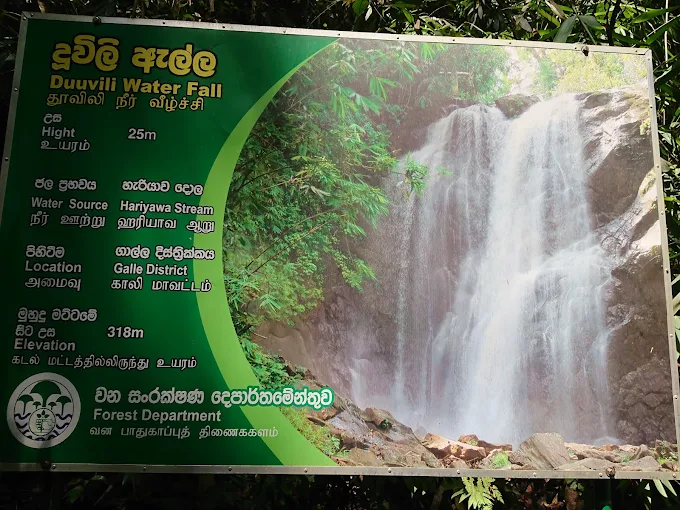
- Waterfall Exploration
- Nature Tours
- Environmental Education
Tourism provides valuable support for local communities while encouraging rainforest conservation.
Conservation Challenges
Although protected, Sinharaja continues to face modern conservation challenges.
Key Challenges Include
- Climate Change
- Illegal Activities
- Human Encroachment
- Habitat Disturbance
- Invasive Species
Ongoing conservation efforts focus on protecting the rainforest for future generations.
Why Sinharaja Rain Forest is Important
Sri Lanka’s Last Major Primary Rainforest
Sinharaja represents the country’s most significant surviving tropical rainforest ecosystem.
Global Biodiversity Hotspot
The rainforest protects an extraordinary concentration of endemic wildlife.
Environmental Protection
Sinharaja helps regulate water systems, protect soils, and maintain ecological balance.
Scientific Research
Researchers continue to study the rainforest’s plants, animals, and ecosystems.
Eco-Tourism Destination
Sinharaja provides visitors with one of the most authentic rainforest experiences in Asia.
Interesting Historical Facts
Established as a Forest Reserve: 1875
UNESCO World Heritage Site: 1988
Area Protected: Approximately 11,000 hectares
Location: Southern and Sabaragamuwa Provinces of Sri Lanka
Known For: Exceptional Biodiversity and Endemic Species
Global Status: One of the World’s Most Important Tropical Rainforests
Sinharaja Rain Forest Through the Ages
From ancient forest wilderness to internationally protected World Heritage Site, the history of Sinharaja Rain Forest is a remarkable story of survival, conservation, and natural heritage.
Today, visitors can explore this extraordinary rainforest while learning about its rich history, unique ecosystems, and vital role in protecting Sri Lanka’s biodiversity.
Visit Sinharaja Rain Forest Sri Lanka
Discover the history, wildlife, waterfalls, and breathtaking natural beauty of Sri Lanka’s most famous rainforest.